
Botanical Name
Eucalyptus melanophloia
Common Name
Silver-leaved Ironbark
Description
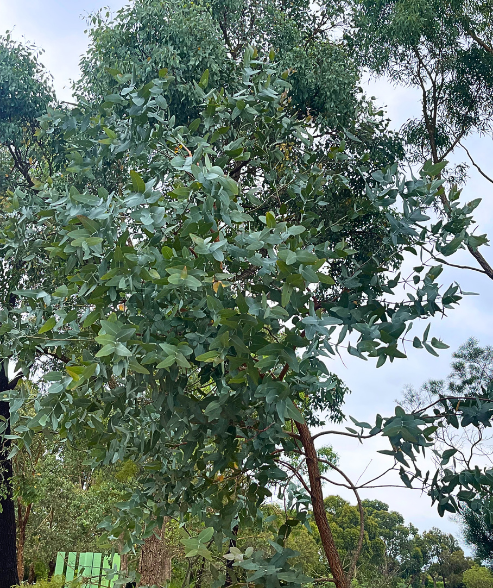
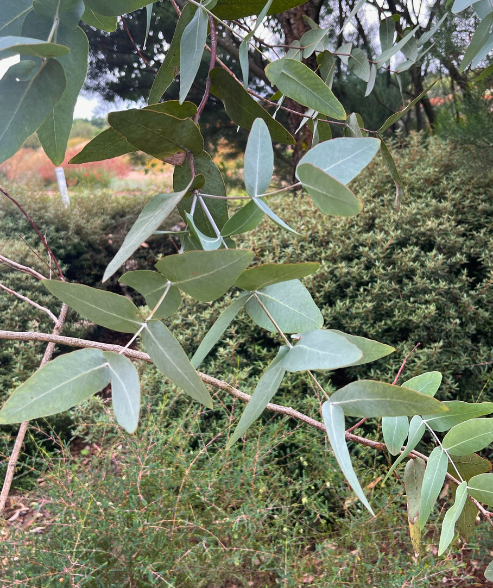
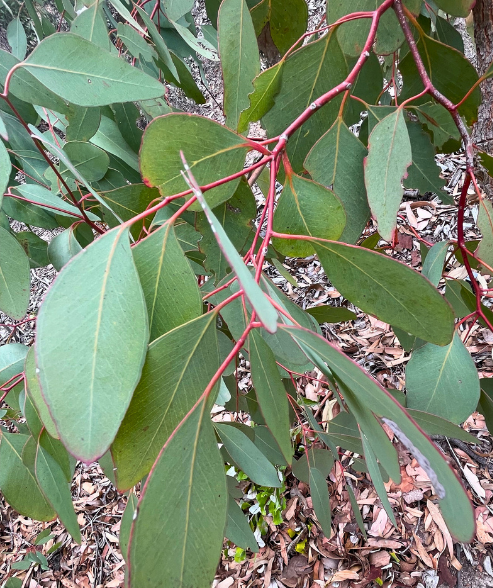
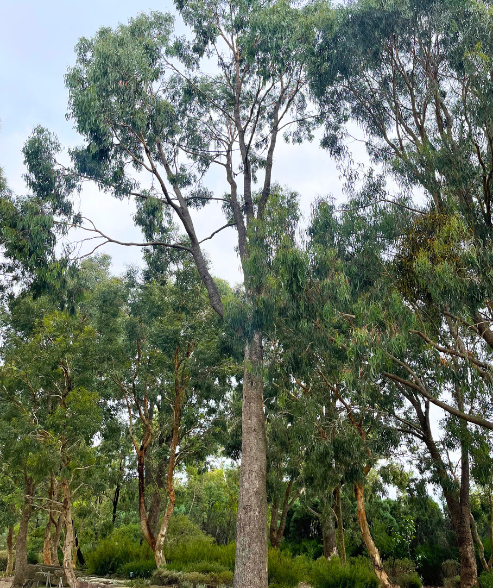
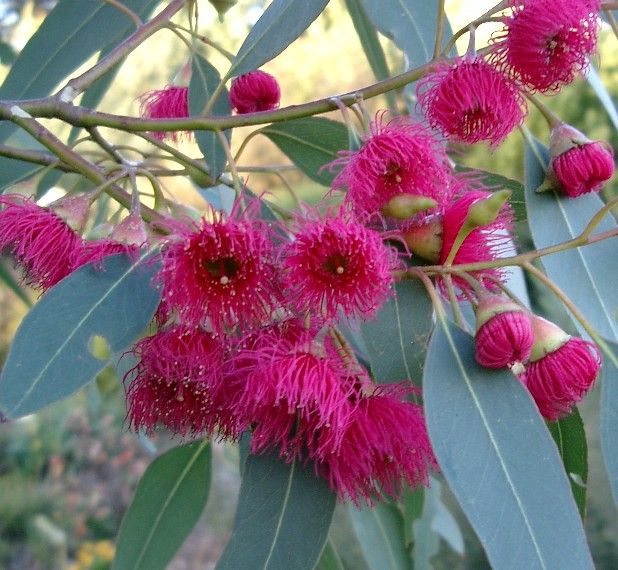
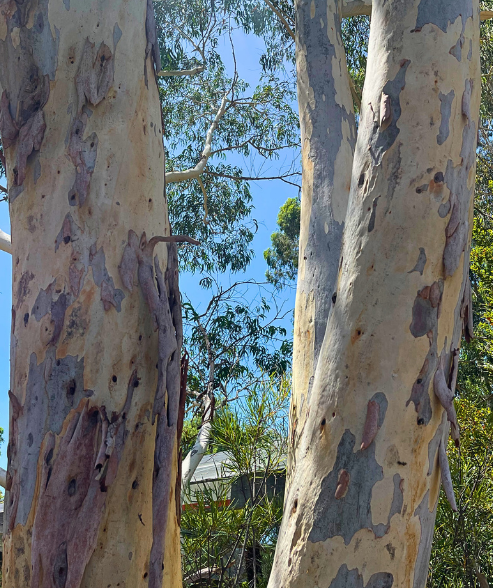
Eucalyptus melanophloia is a small to medium-sized tree with an upright to spreading habit and distinctive, deeply fissured grey to black bark. It often develops multiple stems from a lignotuber, adding to its character and resilience. The rounded to lance-shaped foliage is a soft silver-grey, providing a striking contrast against darker garden plantings. Clusters of small cream flowers appear from spring through to summer, borne in showy terminal groups.
Plant Category
Trees
Size (H x W)
6-10 m × 4-6 m
Habitat
Naturally occurring across inland Queensland and northern New South Wales, Eucalyptus melanophloia grows in open woodland on clay and loamy soils, typically in warm regions with low nutrient levels and seasonal dry periods. In cultivation, it performs best in full sun and well-drained soil, but can adapt to heavier clay soils once established. It is both drought tolerant and frost hardy in Melbourne gardens, requiring only occasional watering after establishment. Minimal pruning is needed beyond early shaping, and low-phosphorus fertiliser should be applied sparingly.
Cultural SIgnificance
Traditionally valued by Aboriginal peoples for its durable ironbark timber used in tool making and construction, while the nectar-rich flowers provided important food sources and the tree served as a landmark in the landscape.

Content Disclaimer