
Botanical Name
Leptospermum petersonii
Common Name
Lemon-scented Tea Tree
Description
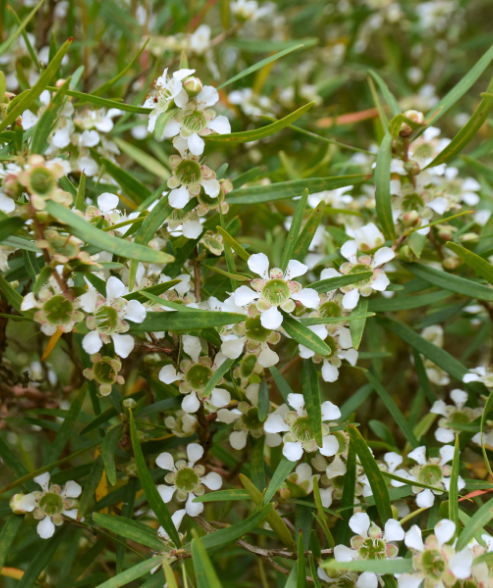
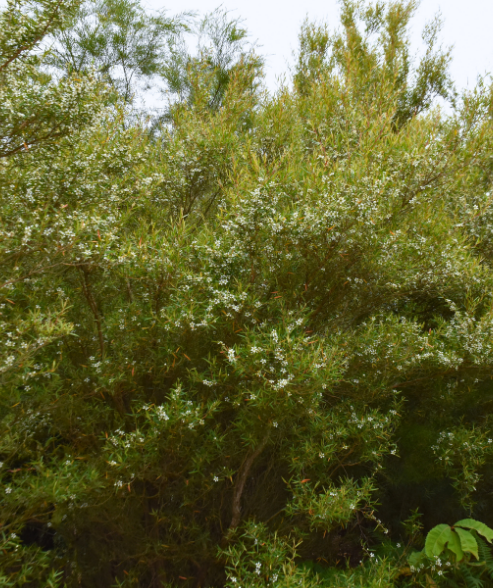
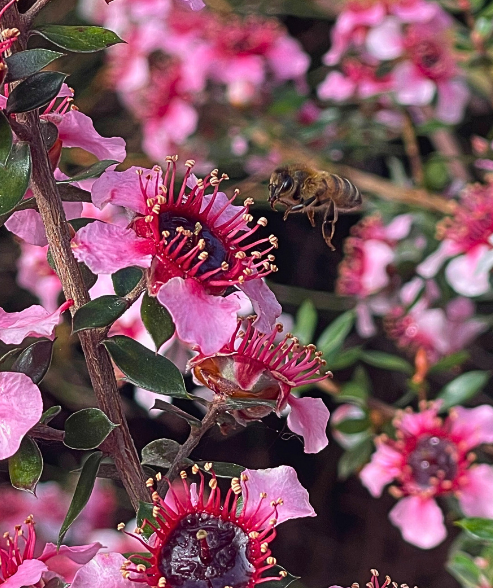
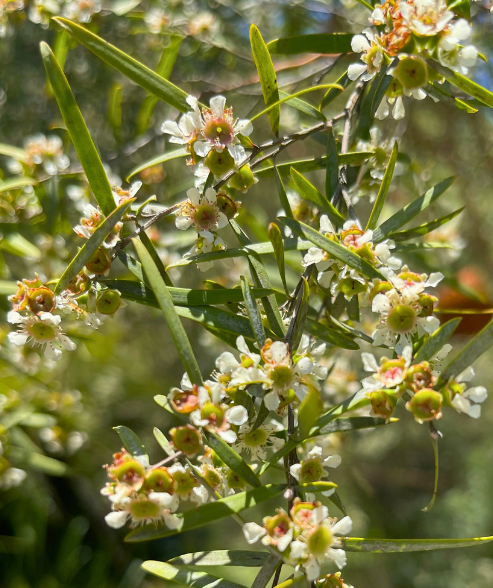
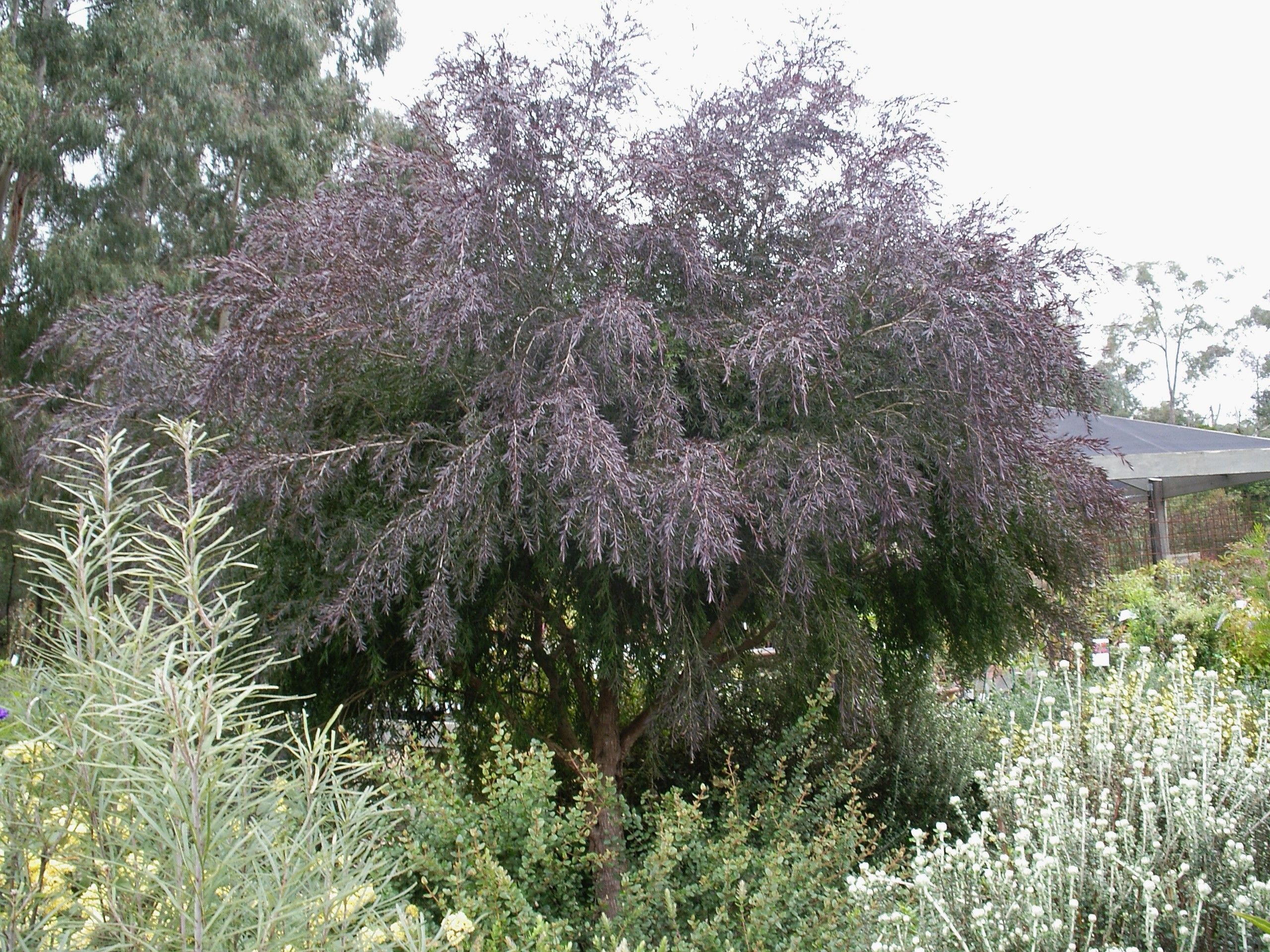
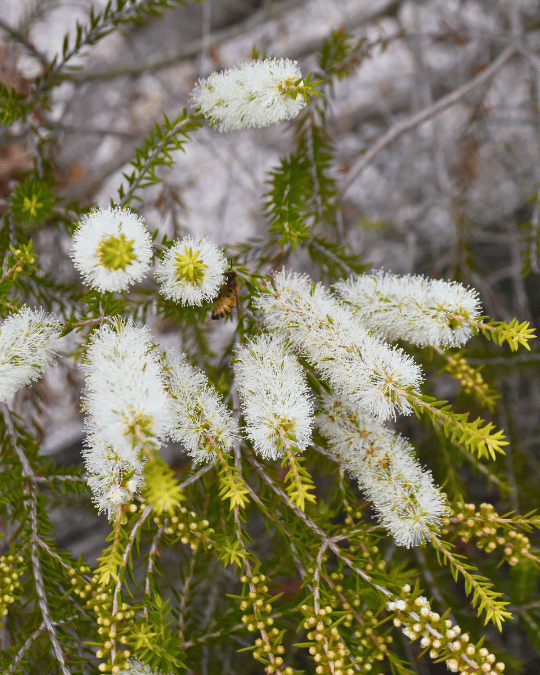
A small tree with an upright to spreading habit, flaky bark and soft, narrow foliage. The leaves are strongly aromatic when crushed, with a distinctive lemon scent, and new growth may be tinged red or purple. Small white flowers, usually produced singly, appear mainly in summer. The flowers are followed by woody capsules that can persist on the branches. A useful small tree or large shrub for informal plantings, screening and wildlife gardens, where its fine foliage and aromatic leaves provide interest beyond the flowering period.
Plant Category
Large Shrubs
Size (H x W)
4-5 m × 3-4 m
Habitat
Naturally occurring from the north coast of New South Wales into southern Queensland, Leptospermum petersonii is commonly found near wet sclerophyll forest and rainforest, along streams and on rocky escarpments. It occurs in sandy soils as well as rocky sites and is associated with areas that receive regular moisture. In cultivation, this suggests a preference for well-drained soils with reliable moisture, although established plants can tolerate drier conditions.
Cultural SIgnificance
Traditionally valued by Aboriginal peoples for its medicinal properties, with the aromatic leaves being used for treating respiratory ailments, skin conditions, and as a natural antiseptic, continuing the important therapeutic tradition of native tea trees.

Content Disclaimer