
Botanical Name
Leptospermum polygalifolium ‘Cardwell’
Common Name
Cardwell Tea Tree
Description
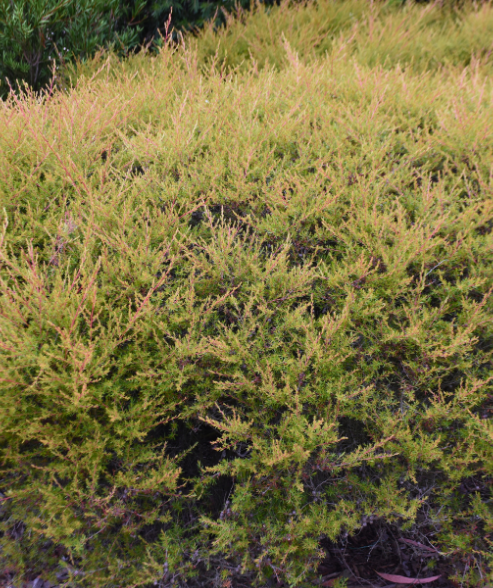
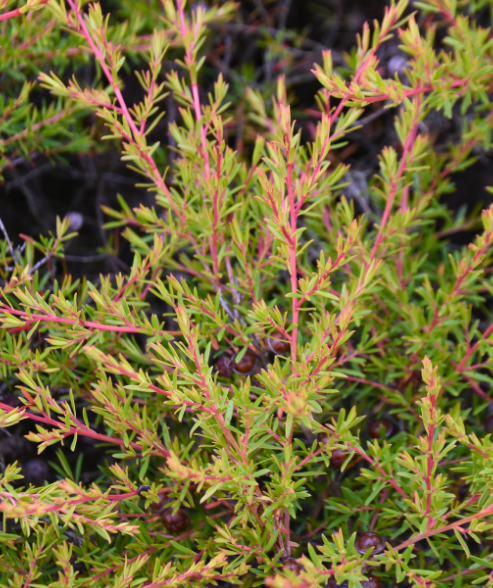
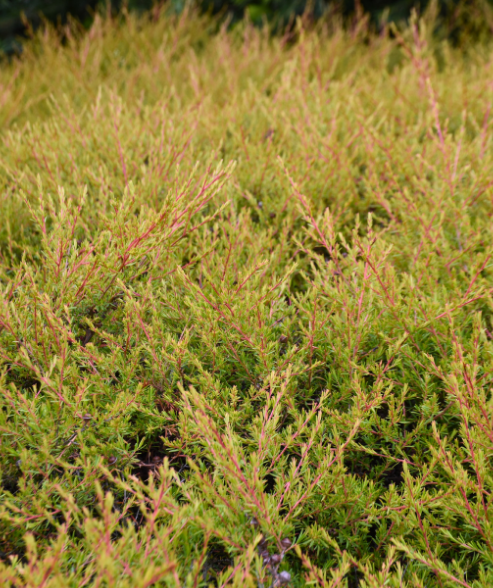
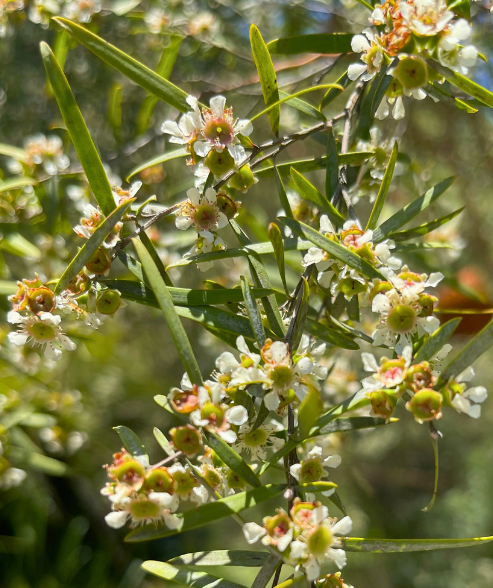
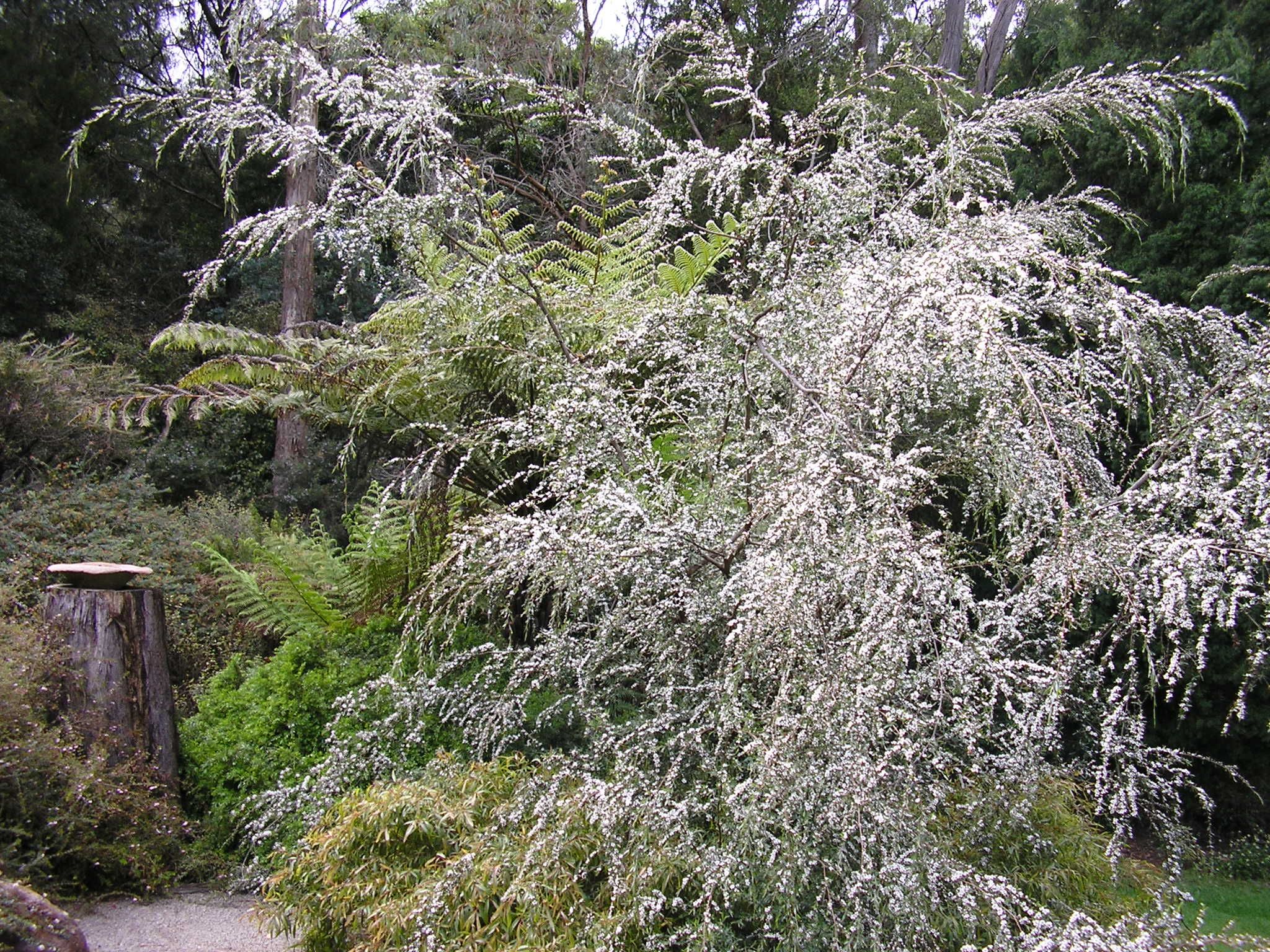
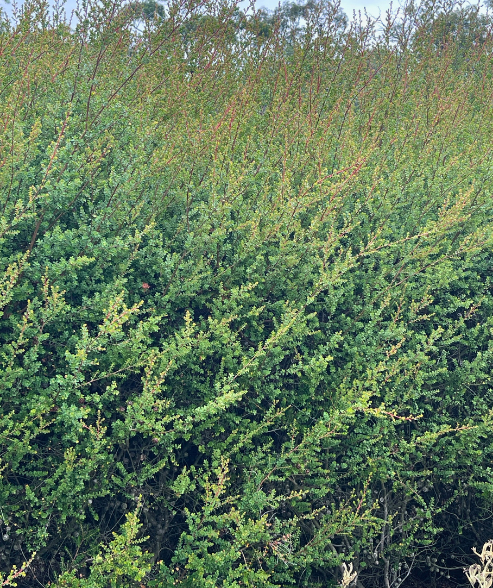
A compact, upright shrub with fine foliage and a naturally dense habit. The small, narrow leaves are green and aromatic when crushed. White flowers are produced in profusion along the branches in spring and early summer, creating a soft, open display. The flowers are followed by small woody capsules that can remain on the plant after flowering. Useful as a screening shrub, informal hedge or feature plant, particularly where a naturally neat form is required. Light pruning after flowering can help maintain a compact shape and encourage fresh growth.
Plant Category
Medium Shrubs
Size (H x W)
1.5-2 m × 1.5-2 m
Habitat
Leptospermum polygalifolium occurs along the east coast of Australia, from Queensland through New South Wales to Victoria, growing in open forest, woodland, heath and along waterways. It is found in a range of well-drained soils, from sandy to rocky, and in both moist and relatively dry environments. ‘Cardwell’ is a cultivated form of Leptospermum polygalifolium and does not represent a naturally occurring population. Its species origins indicate an adaptability to a range of well-drained garden conditions.
Cultural SIgnificance
Traditionally valued by Aboriginal peoples as part of the diverse Melaleuca family, with tea tree species being important for their medicinal properties and as components of traditional landscapes and healing practices.

Content Disclaimer