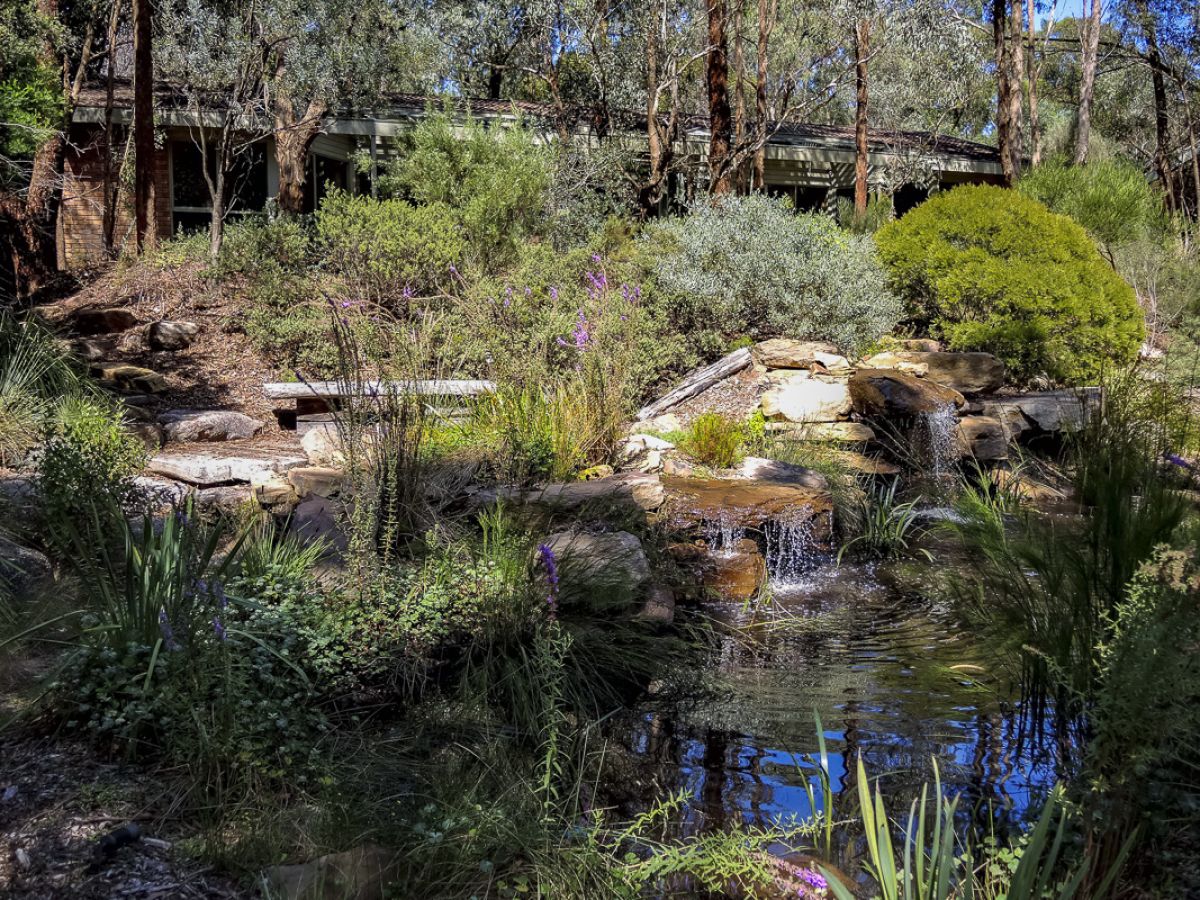
Shady, dry areas are some of the most challenging spaces in the garden. Often found under trees, along boundaries, or beside buildings, these spots receive limited sunlight and little natural rainfall. Fortunately, Australian native plants offer a range of species that thrive in dry shade, providing structure, colour, and habitat for birds and insects.
Ground Covers for Shady Dry Areas
Ground covers are perfect for covering soil, suppressing weeds, and adding texture to shady areas. Many spread naturally, forming attractive mats that thrive even under low-light conditions.
These shade-tolerant ground covers are ideal beneath trees or along shaded edges where water is limited.
Small Shrubs (Up to 1 Metre)
Small shrubs provide flowers, foliage contrast, and habitat while remaining compact. They are perfect for smaller shady dry areas.
Medium Shrubs (1–2 Metres)
Medium shrubs add height and structure to shady dry areas. Many flower for extended periods, providing seasonal interest and attracting wildlife.
Large Shrubs (2–5 Metres)
Large shrubs can act as screening plants, focal points, or feature species in shaded dry gardens.
Create structure and seasonal colour with native shrubs. Browse our small, medium, and large shrubs to suit any garden size.
Trees for Shady Dry Areas
Trees provide shade, vertical interest, and long-term structure in the garden. Many native trees also attract birds and other wildlife.
Add height, shade, and wildlife habitat with our native Australian trees. Explore species perfect for dry and shady areas.
Climbers for Shady Dry Areas
Climbers are perfect for fences, trellises, or walls, bringing vertical colour and texture to shady spots.
Maximise vertical space in your garden with shade-tolerant climbers. Discover flowering natives perfect for walls, fences, and trellises.
Grasses, Sedges, Bogs and Tufting Plants
These species are ideal for understory planting, edging, or creating naturalistic ground textures in shady dry gardens.
- Dianella longifolia forms
- Dianella revoluta forms
- Diplarrena moroea
- Lomandra confertifolia ssp. rubiginosa
- Lomandra filiformis forms
- Lomandra longifolia forms
Tips for Shady Dry Gardens
- Improve soil with organic matter before planting.
- Apply a deep mulch layer to retain moisture and suppress weeds.
- Water regularly during the first summer to establish plants.
- Avoid heavy fertilising; native plants thrive in low-nutrient soils.
- Choose a mix of ground covers, shrubs, and trees for diversity.
With the right shade-tolerant, drought-tolerant native plants, even the most challenging shady dry areas can become attractive, functional, and low-maintenance garden spaces.